
Historic Home Renovation in Weston MA
Guidelines, requirements, and strategies for modernizing Weston's historic properties while preserving their character.
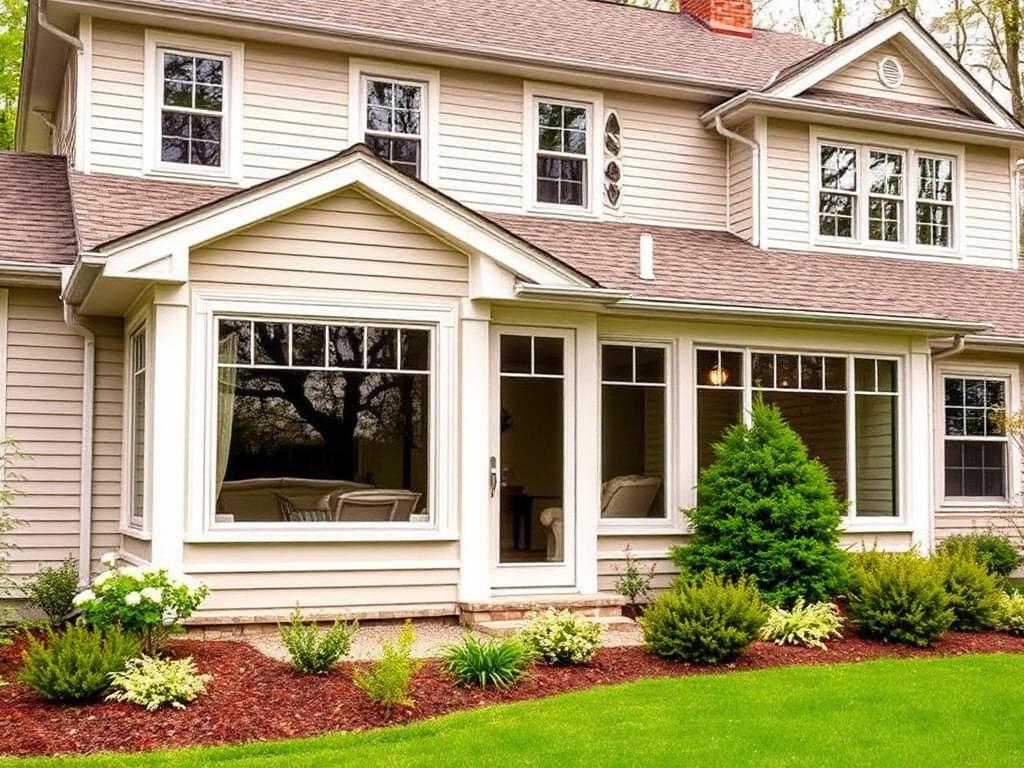
Weston's Historic Character
Weston, Massachusetts boasts a rich architectural heritage dating back to the 1600s. From Colonial farmhouses to Victorian estates and early 20th-century gentleman farms, the town's historic homes represent centuries of New England building tradition. Many of these properties are protected by local historic district regulations and preservation bylaws.
Renovating a historic home in Weston requires balancing modern comfort and efficiency with preservation of character-defining features. This guide covers what homeowners need to know before starting a historic renovation project.
Is Your Home in a Historic District?
Weston has several areas with historic significance, though the town does not maintain formal "Historic Districts" with design review boards like some neighboring communities. However, individual properties may be:
- Listed on the National Register of Historic Places (federal designation, limited local regulatory impact)
- Subject to preservation restrictions held by the Weston Historical Society or conservation organizations
- Part of neighborhood character areas where the Planning Board considers historic context in permit reviews
- Protected by conservation easements that may include historic preservation requirements
Check with the Weston Building Department and Weston Historical Society to determine if your property has any historic designations or restrictions before beginning design work.
Common Renovation Challenges in Historic Weston Homes
1. Outdated Systems
Many historic Weston homes have original or near-original electrical, plumbing, and heating systems. Knob-and-tube wiring, cast iron plumbing, and single-pipe steam heat are common in pre-1940 homes. These systems require sensitive upgrades that don't damage historic fabric.
2. Energy Efficiency
Historic homes were built before modern insulation standards. Adding insulation without creating moisture problems or damaging historic materials requires careful planning. Window replacement often meets resistance from preservation advocates, requiring creative solutions like interior storm windows or restoration of existing windows.
3. Structural Modifications
Post-and-beam framing, hand-hewn timbers, and load-bearing masonry walls limit layout flexibility. Opening up kitchens or creating modern master suites often requires engineering solutions that work with, rather than against, original construction methods.
4. Code Compliance
Modern building codes don't always align with historic construction. Ceiling heights, stair dimensions, and egress requirements may not meet current standards. Massachusetts building code includes provisions for historic buildings (780 CMR Chapter 34), but navigating these exceptions requires experienced contractors and building officials familiar with the regulations.
5. Hidden Conditions
Opening walls in historic homes often reveals unexpected conditions: abandoned chimneys, previous additions, structural modifications, or pest damage. Contingency budgets of 15-25% are prudent for historic renovations.
Weston Permit Process for Historic Properties
Typical Approval Steps
- Pre-application meeting with Building Department to discuss scope and requirements
- Site plan review if work affects property setbacks or lot coverage
- Conservation Commission review if property has wetlands or conservation restrictions
- Board of Health approval for septic system modifications (many historic homes lack town sewer)
- Building permit application with detailed plans and engineering (if required)
- Historical review (if property has specific restrictions or is in a sensitive area)
Timeline for approvals can range from 6-12 weeks for straightforward interior renovations to 4-6 months for additions or exterior modifications requiring multiple board reviews.
What to Preserve vs. What to Modernize
Prioritize Preserving
- Original windows (especially wavy glass, muntins, and hardware) - restore rather than replace when possible
- Wide-plank flooring - refinish or repair rather than cover or remove
- Fireplace surrounds and mantels - character-defining features worth preserving
- Original trim and millwork - baseboards, crown molding, door casings, and panel doors
- Exterior cladding - original clapboards, shingles, or brick should be repaired, not replaced
- Structural timbers - hand-hewn beams and posts add character and value
- Historic hardware - door knobs, hinges, window locks, and shutter hardware
Safe to Modernize
- Kitchens and bathrooms - rarely original in homes over 50 years old
- Mechanical systems - HVAC, electrical, and plumbing updates are expected
- Insulation - carefully added without damaging historic fabric
- Non-visible additions - rear or side additions that don't alter primary facades
- Basement and attic spaces - typically acceptable for modernization if not character-defining
Modernization Strategies That Work
Kitchen Renovations
Historic Weston homes often have small, closed-off kitchens in rear ells or service wings. Modern families want open, functional spaces. Successful approaches include:
- Adding rear or side additions that clearly read as "new" rather than fake-historic
- Removing later (non-historic) walls while preserving original post-and-beam structure
- Installing period-appropriate cabinetry styles (Shaker, unfitted kitchens) that complement historic character
- Using natural materials (wood, stone, copper) that harmonize with historic finishes
Bathroom Additions
Most historic homes lack adequate bathrooms. Adding bathrooms in former closets, unused bedrooms, or attic spaces preserves historic room layouts while meeting modern needs. En-suite bathrooms can often be carved from oversized historic bedrooms.
Energy Upgrades
Energy efficiency can be improved while respecting historic character:
- Dense-pack cellulose in wall cavities (minimally invasive)
- Spray foam in attics and rim joists where not visible
- Interior storm windows preserve exterior historic windows while improving performance
- High-efficiency mechanicals in basements or attics
- Sealed combustion heating eliminates need for new chimney flues
Additions and Expansions
When additions are necessary, successful approaches include:
- Locating additions on rear or less-visible elevations
- Using simplified versions of historic detailing rather than exact copies
- Creating subtle differentiation (slightly different trim profile, window size, or material) so additions don't masquerade as original
- Maintaining historic rooflines and massing on primary facades
Common Mistakes to Avoid
- Vinyl replacement windows - destroy historic character and often violate local guidelines
- Covering original cladding with vinyl siding - damages substrate and eliminates character
- Removing interior woodwork to "open up" spaces - better to work with original layouts
- Fake historical additions that try to look original but use modern materials and methods
- Ignoring existing structural systems - work with post-and-beam framing, don't fight it
- Over-restoration - making things "too perfect" can destroy authentic patina and character
Financial Considerations
Budget Expectations
Historic renovations in Weston typically cost 20-40% more than comparable work in newer construction due to:
- Need for specialized trades (timber framers, plasterers, window restoration specialists)
- Custom fabrication of materials to match existing
- Unexpected conditions requiring contingency solutions
- Higher labor hours for careful preservation work
- Lead paint and asbestos abatement (required by law in pre-1978 homes)
Tax Incentives
Federal and state historic preservation tax credits may be available for income-producing properties (rental units, bed & breakfasts) listed on the National Register. Single-family owner-occupied homes generally do not qualify for these credits, though some preservation grants may be available through the Weston Historical Society or Massachusetts Historical Commission for significant properties.
Property Value Impact
Well-executed historic renovations often command premium pricing in Weston's market. Buyers seeking character and craftsmanship value thoughtful preservation work that maintains historic integrity while providing modern function. Poorly executed renovations that destroy historic character can actually depress values below comparable new construction.
Working With the Right Team
Historic renovation success depends on assembling an experienced team:
Essential Team Members
- Contractor with historic experience - familiar with traditional construction methods and materials
- Architect or designer (for complex projects) - experienced in historic preservation and local approval processes
- Structural engineer - understands timber frame and masonry construction
- Energy consultant - specializes in historic building energy retrofits
- Building official - cultivate a collaborative relationship with the Weston Building Department
Questions to Ask Contractors
- How many historic homes have you renovated in Weston?
- Can you provide references from historic renovation projects?
- How do you handle unexpected conditions in historic buildings?
- What specialists (plasterers, window restorers, timber framers) do you work with?
- How familiar are you with Weston's permit requirements and Building Department?
Resources for Weston Historic Homeowners
- Weston Building Department
Town Hall, 11 Town House Road - (781) 786-5020 - Weston Historical Society
Resource for property history, historic photos, and preservation guidance - Massachusetts Historical Commission
State preservation office - technical guidance and grant programs - Historic New England
Preservation trades network and technical resources - National Park Service Preservation Briefs
Technical guidance on specific preservation topics
Our Approach to Historic Renovation
Cane Hill Wood Works has extensive experience renovating historic properties throughout Weston and Greater Boston. We understand the unique challenges these homes present and work collaboratively with homeowners, preservation professionals, and local officials to achieve renovations that honor historic character while meeting modern living standards.
Our approach prioritizes careful assessment, transparent communication about conditions and options, and skilled execution by craftspeople who understand traditional building methods. We believe the best historic renovations are those that future generations will appreciate for both their preservation integrity and their livability.